


THE FARMERS CLUB HAS AN IMPRESSIVE HISTORY OF SERVING THE AGRICULTURAL COMMUNITY FOR OVER 180 YEARS.
Founded in 1842, members of The Farmers Club have been at the heart of farming through a period of phenomenal change, culminating in today’s technologically driven powerhouse of rural communities.
Farming makes a huge contribution to the national economy, producing food, fuel, fibre and raw materials, conserving the countryside for all, and safeguarding the nation’s wildlife and rural heritage.
For over 180 years the Club has been the industry’s London home-from-home. Just a short walk from the seats of power and influence – be they government or commercial – it is a retreat from the city bustle, where like-minded people can gather to discuss the issues of the day, socialise and relax.
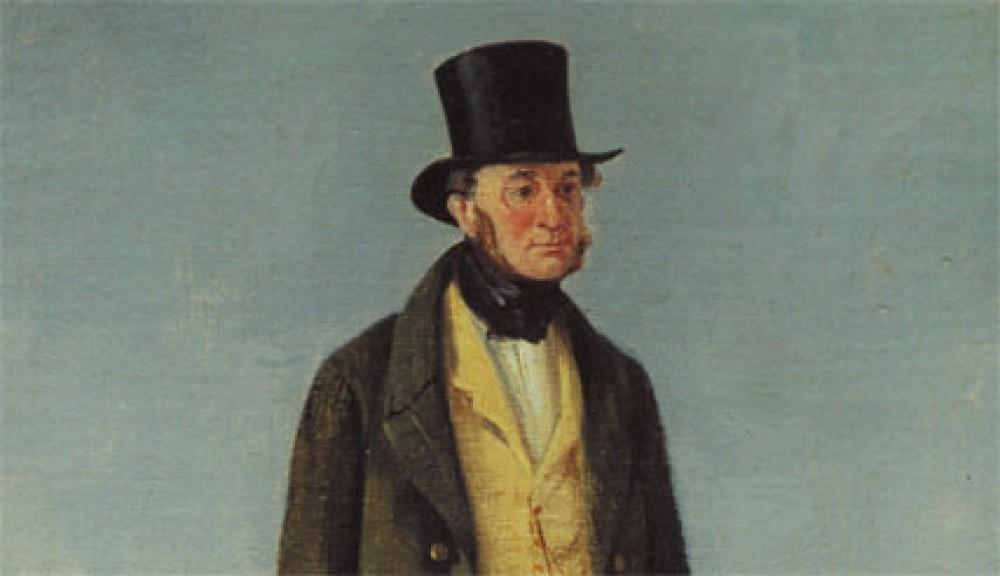
The original idea came from renowned agricultural writer William Shaw, who just four years after Queen Victoria came to the throne proposed "a gathering place for farmers which could also serve as a platform, from which would go out to England news of all that was good in farming, with reports of any discussions about those things that needed to be done."
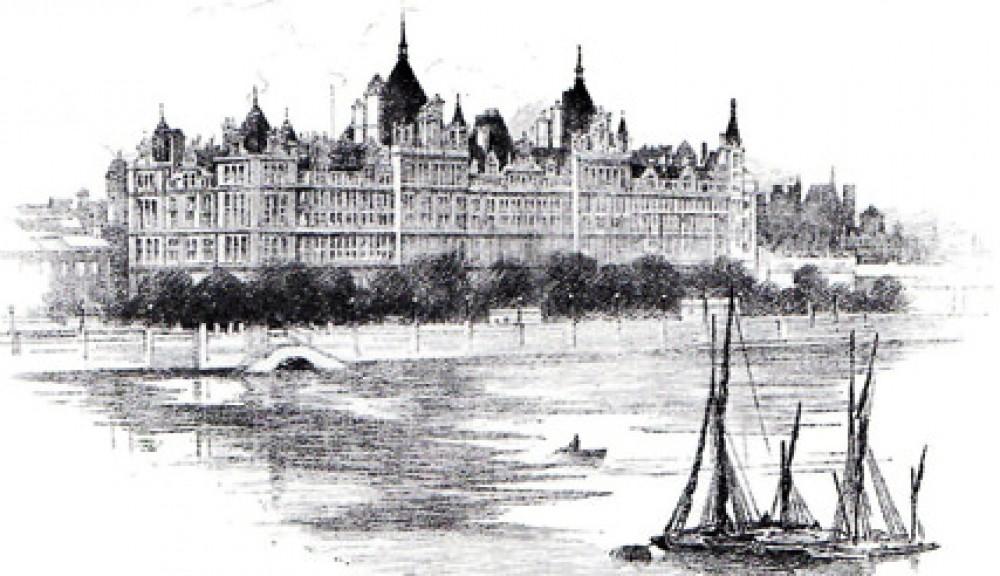
Initially, the Club debated key topics, such as tenant rights, mechanical labour, agricultural education and the need for a Minister of Agriculture. In 1904 it settled in Whitehall Court, where it hosted hundreds of meetings during the Second World War.
As membership grew the Club’s activities broadened to include a wide programme of social events around the UK as well as at Whitehall Court. A Committee of Junior members was created in 1964, later becoming the Under 30s Club, with its own Chairman and events.
From purely business beginnings the Club has grown to occupy a cherished place at the very heart of the farming industry – a home-from-home in London, a focal point for intellectual debate and a fine shop window for the very best of British produce.
Club's History
Founded in 1842, The Farmers Club has its roots in the days when England was owned by fewer than 100 people and both Houses of Parliament consisted of men concerned mainly with the rents, taxes and sports that could be obtained from land. Of farming and their tenants, most cared little or not at all. It was against this background, in May 1841, fewer than four years after the Accession of Queen Victoria, that agricultural writer William Shaw, widely known as Mr Shaw of the Strand, wrote to members of the recently formed Royal Agricultural Society of England and the Smithfield Club and articulated a requirement for "a gathering place for farmers which could also serve as a platform, from which would go out to England news of all that was good in farming, with reports of any discussions about those things that needed to be done." Therefore, The Farmers Club came officially into being at its first general meeting on 9th December 1842, in the Hereford Arms, King Street, London. The following year, the Club was established at the York Hotel, Bridge Street, Blackfriars, moving through several London addresses before settling, in 1904, in humble premises in Whitehall Court, with just an office for the Secretary and a small club room and bar. This intuitive acquisition led to the multiple-roomed Club with Thames views that exists today.
The history of the Club in its first 184 years is also a valuable insight into British agriculture throughout this period. In its early days, the Club was little more than a debating society, with men of vision reading papers highlighting the issues of the day. Tenant rights for tenant farmers, mechanical labour to replace muscle, repeal of the Malt Tax, better agricultural education, a National Farmers' Union, and a Minister of Agriculture such as they had in France. Indeed, the history of agriculture was almost a barometer for the fortunes of the Club, with membership falling from a high of 700 at the beginning of 1876 - the first of the disaster years for British farming - to only 275 by the Club's Golden Jubilee Year of 1892.
The First World War saw a revival, with farmers coming to be hailed as the "saviours of the nation", and assured that, whatever happened in the years of peace, never would a grateful country forget the men who saved it. Alas, memories are short and within 10 years vast tracts of British farmland were lying deserted around empty and crumbling farmsteads. Although membership of the Club was at a high of nearly 1500 by the mid 1920s, another depression and another world war were to follow. However, far from destroying The Farmers Club, as it did so many other organisations, the Second World War brought about another great revival, thanks largely to the efforts made in growing Club membership and finances prior to the war, but also due to the Club's premises in Whitehall being so suitable for social meetings and business discussions. As a result, the Club was to become the venue for hundreds of wartime meetings by bodies with no convenient or un-bombed premises from which to operate.
The war years also saw the centenary of the Club in 1942, but there were no celebrations, despite membership passing 1700. Instead, the highlight of the year was the important sideways move by the Club within Whitehall Court, to the larger site that forms the nucleus of the premises today. Debates and paper readings continued at the Club throughout the war years and beyond. Attitudes within agriculture were changing, with farmers able to seek out much more of the information they required from other sources, rather than wishing to travel to London to listen to speeches, which were in any case published in the Club Journal, which was founded in 1875 and available to all members.
The Club had to adapt accordingly, increasingly venturing out to meet the membership rather than expecting Members to continually visit London. Consequently, as Club membership grew from 4000 in 1950, to a highpoint in 2001 of 6000 members, more countrywide events and attractions were established. This included the opening by the then Club Patron, Her Majesty The Queen of The Farmers Club Pavilion on the permanent showground of the Royal Agricultural Society at Stoneleigh, Warwickshire. Another important event was the establishment, in 1964, of a Committee of Junior members, later to become the Under 35s Club, with its own Chairman and organising its own functions.
Another, later, milestone was the foundation in 1981 of The Farmers Club Charitable Trust (FCCT), awarding bursaries for those in agricultural education to study specific subjects abroad. Recently the FCCT transitioned to a standalone charity outside the Club. In the 1990s the annual Pinnacle Awards for Excellence in Business Management were started, sponsored jointly by The Farmers Club, ADAS and the Cave Foundation and offer awards for students and their colleges for the best practically based management projects carried out in an academic year.
Today the Chairman of the Club can expect to host some 30 principal functions, social and informative, on behalf of Members throughout the UK as part of the Club’s outreach programme, as well as at Whitehall Court.
Club Timeline
- 1841 - William Shaw wrote to members of the Royal Agricultural Society of England and the Smithfield Club proposing the formation of The Farmers Club.
- 1842 - The Farmers Club formed.
- 1876 - First of the “disaster” years for British farming, membership slumps.
- 1892 - Club's Golden Jubilee Year.
- 1904 - Club take’s up premises in Whitehall Court.
- 1914 - Start of the First World War, after which farmers hailed as "saviours of the nation".
- 1939 - Second World War - Club's Whitehall premises used for key meetings.
- 1942 - Centenary of Club and move to present larger site within Whitehall Court.
- 1950 - Membership grows to 4000.
- 1964 - Farmers Club Pavilion at Stoneleigh opened by Her Majesty The Queen Mother.
- 1964 - Committee of Junior members, now the Under 30s Club, established.
- 1981 - Foundation of The Farmers Club Charitable Trust.
- 1998 - Creation of the Pinnacle Awards for Excellence in Business Management.
- 2010 - First Lady Chairman.